October 27, 2026
Managing wastewater safely is essential for homes operating outside municipal sewer boundaries. When building a new home or replacing an aging tank, investing in a local septic installation provides a dependable method for handling household waste. A well-designed system processes plumbing discharge directly on your property, separating liquids from solids while protecting groundwater quality.
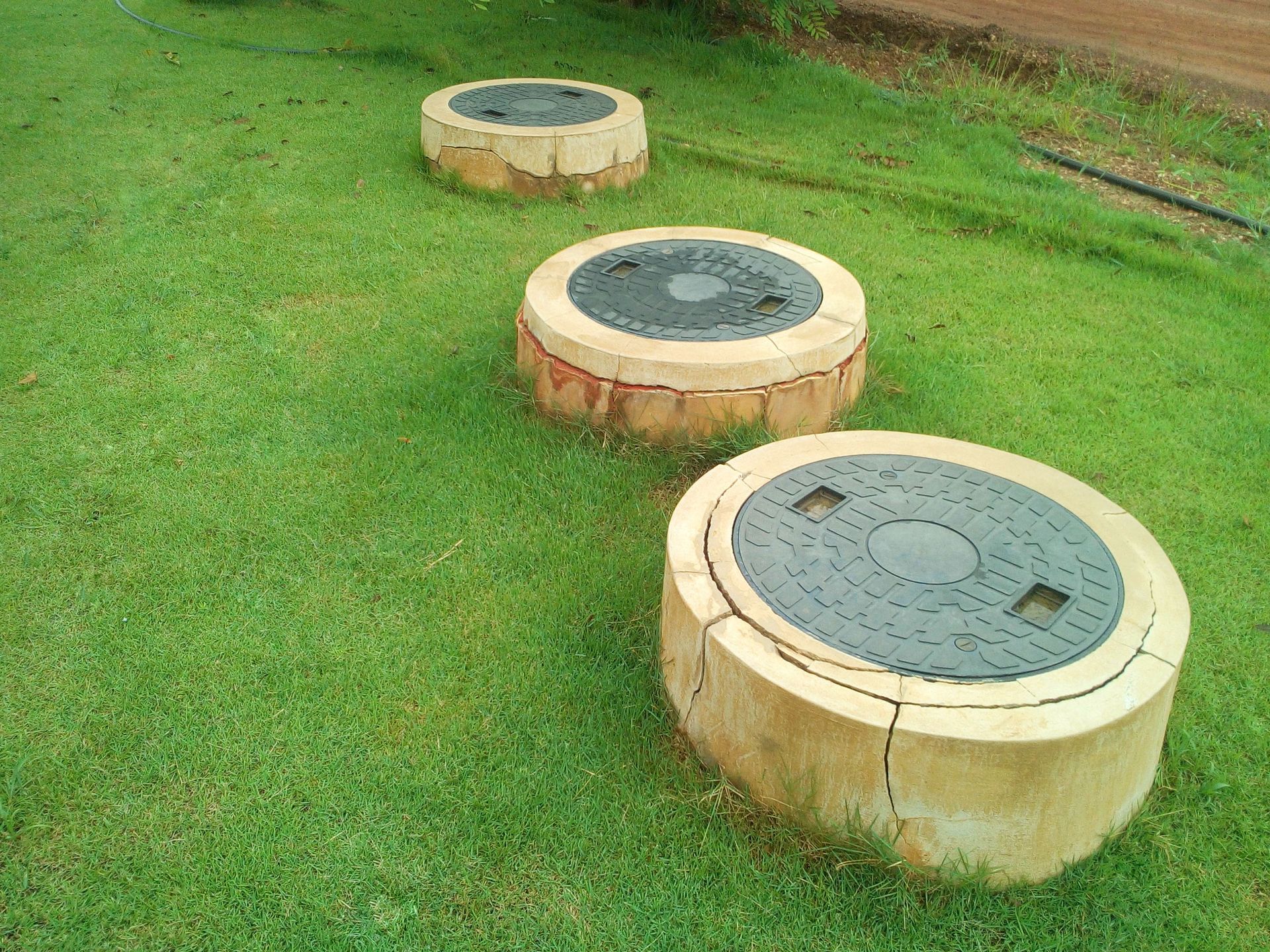
Every residential setup relies on an underground tank connected to an absorption field. Household drains empty into the main plumbing line, carrying wastewater toward the buried tank. Inside the container, heavier solid matter settles to the bottom, while lighter oils float to the surface. The remaining liquid flows into underground trenches for natural filtration through the earth. Local septic installation from experienced professionals ensures your tank and piping are positioned accurately to provide reliable service.
Assessing Household Size and Daily Wastewater Flow
Determining the ideal tank capacity for your property depends on the number of bedrooms and potential occupants. Local building authorities base sizing calculations on home capacity rather than current family size. Planning for maximum capacity prevents the system from experiencing overload during gatherings. Having an adequately sized tank ensures wastewater remains inside the chamber long enough for solids to settle before liquid enters drain lines.
According to This Old House, standard residential septic tanks are designed to hold upwards of 1,000 gallons of wastewater. Having sufficient storage capacity gives the natural breakdown process enough time to work effectively. If a tank is too small, solids can wash into soil trenches, creating premature blockages that require expensive repairs. Evaluating your household needs ensures your system handles plumbing demands with ease.
Evaluating Soil Conditions and Property Space
Before digging begins, a technician evaluates the ground to assess soil texture and permeability. Sandy soil drains water rapidly, whereas heavy clay requires wider trenching to allow moisture to disperse without ponding. A percolation test measures how quickly liquid absorbs into subsoil, determining the required dimensions of your absorption field.
Property layout also influences where equipment can be positioned. Underground utilities, mature trees, and potable water wells require mandatory separation distances. Qualified technicians evaluate yard topography to identify the most suitable location for the tank and absorption lines. Ensuring proper slope allows wastewater to move through pipes using natural gravity, eliminating the need for mechanical pumps.
Navigating the Stages of Septic Installation
Every septic project must comply with regional environmental and health department regulations. Before contractors move machinery onto your property, engineering plans must be submitted for official permit approval. These documents outline the proposed tank location, pipe routing, and absorption field dimensions based on soil findings.
Navigating paperwork can seem complicated, but an experienced team handles documentation smoothly. Working with a reputable contractor ensures your project meets all setback rules and sanitation codes. Once regulatory officials grant the required installation permit, site work moves forward on schedule.
Excavating the Yard and Placing the Tank
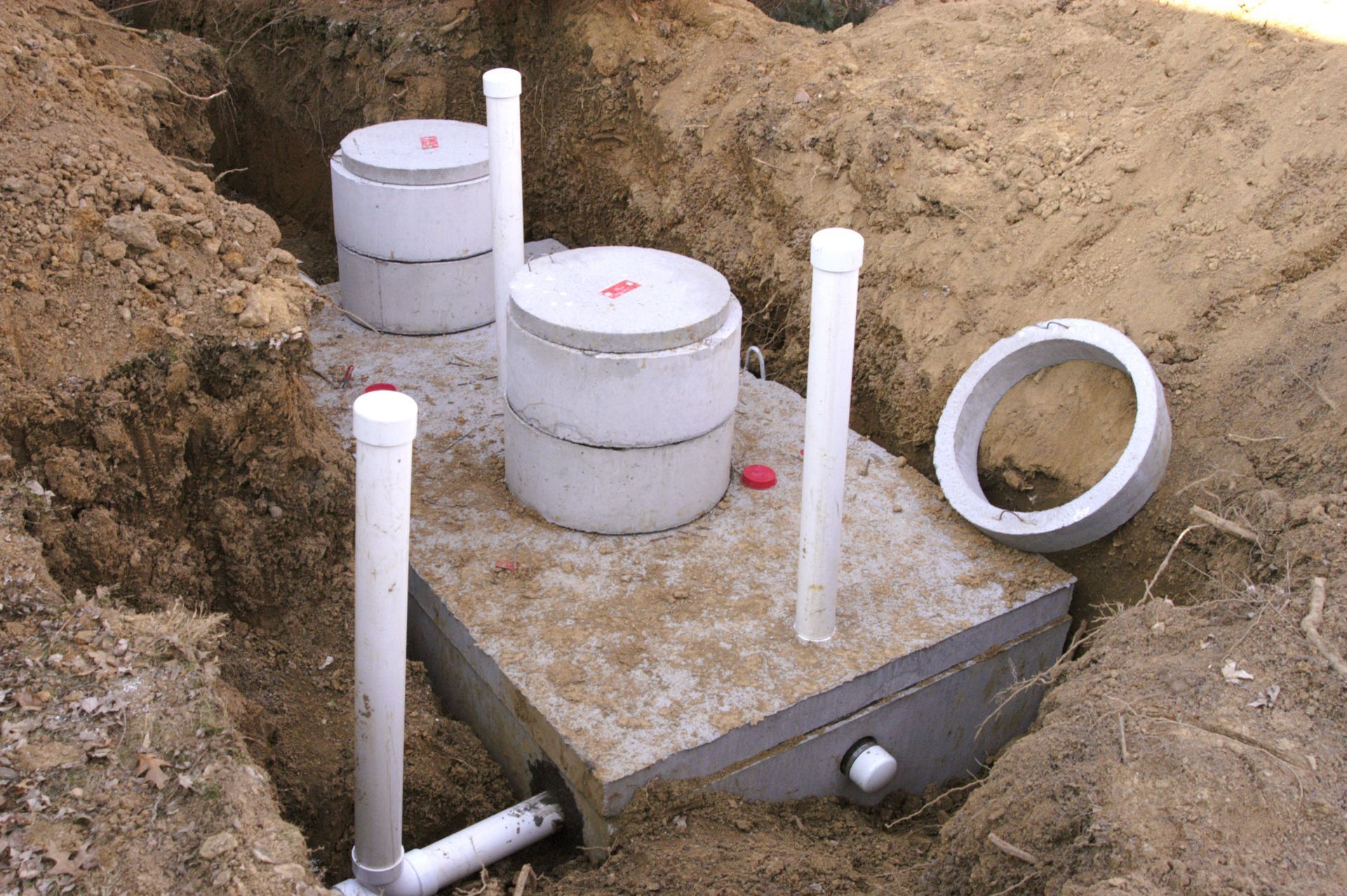
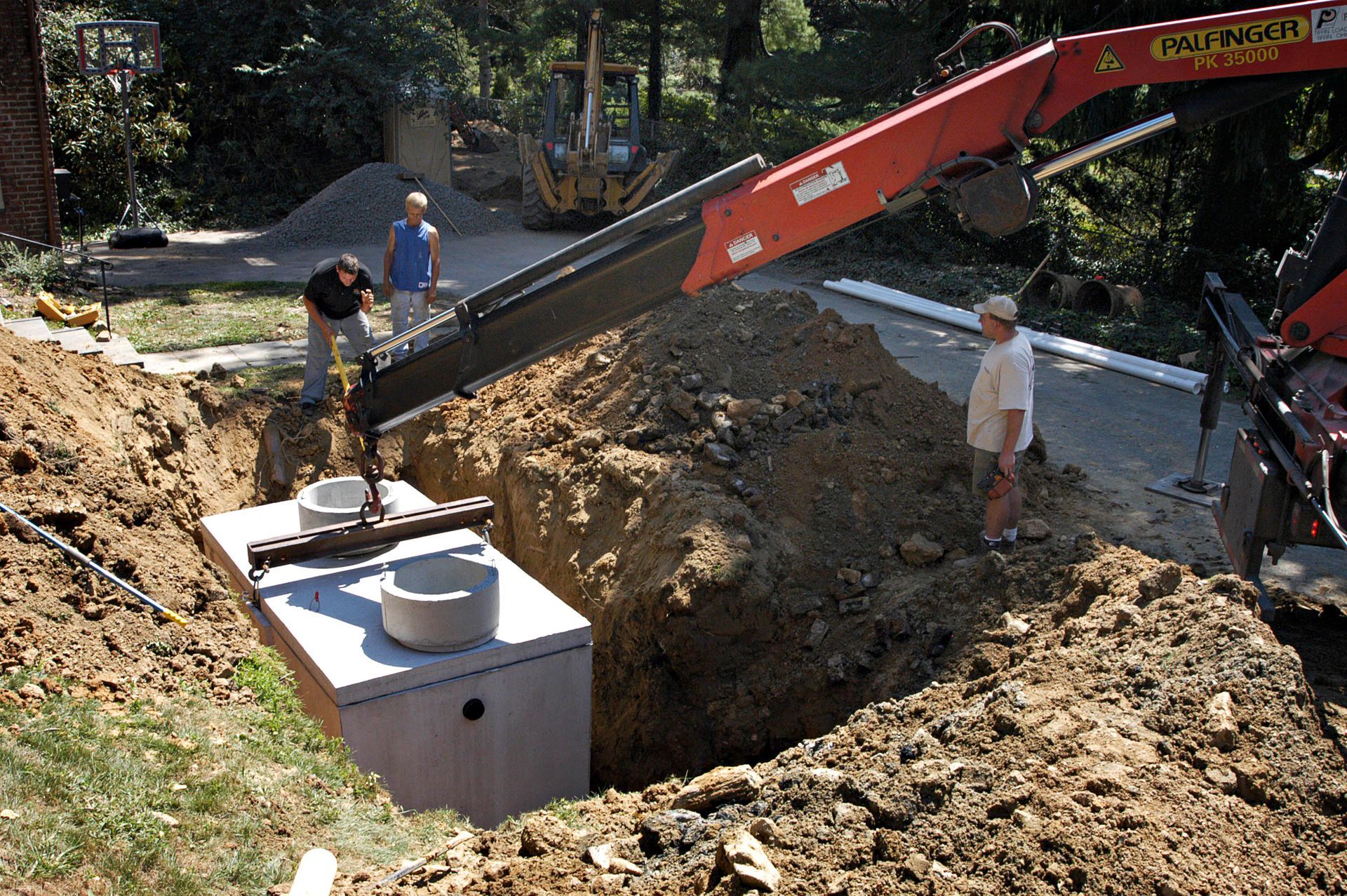
Once permits are approved, the physical phase of your local septic installation begins with careful excavation. Backhoes clear soil to create a stable pit matching the dimensions of your precast concrete tank. Achieving a flat base is essential because uneven ground can cause the tank to tilt, placing unwanted stress on plumbing lines.
Heavy machinery lowers the tank into position before connecting it to the home drainage pipe. Technicians verify that intake and discharge pipes sit at correct elevations to facilitate steady water flow. Backfilling around the tank proceeds gradually, with soil compacted in stages to protect plumbing connections against underground pressure.
Installing Drainfield Trenches and Distribution Pipes
The drainfield represents the final purification stage of your wastewater treatment setup. Technicians dig shallow trenches, laying down perforated distribution pipes over washed gravel. These perforated lines disperse liquid effluent evenly across the absorption area, where beneficial soil organisms break down lingering impurities before water filters into the water table.
Proper trench depth and uniform pipe pitch are critical during this phase. If pipes slope too steeply, wastewater rushes to the far end of the trench rather than distributing evenly. Installers check pipe levels with laser instruments to ensure uniform dispersion before protective fabric and topsoil are spread over the trenches.
Examining Cost Factors and Budget Expectations
Planning your budget requires an understanding of primary factors that influence overall project costs. The physical size of the tank, the type of distribution materials, and the extent of site excavation all play a role in your final invoice. Sites with rocky soil or steep hillsides require more machine hours to excavate, affecting labor pricing.
Investing in a proper local septic installation from the start saves money over time. Quality concrete tanks and durable piping resist ground shifting far better than inferior alternatives. A transparent contractor provides a written estimate outlining material costs and labor expectations so you can plan your finances without surprises.
Balancing Tank Capacity With Daily Demands
Finding the right balance between tank size and upfront expense requires looking toward future household needs. While smaller tanks might seem appealing for initial budget savings, undersized systems lead to frequent pumping visits and heightened failure risks. Having an appropriately sized container accommodates lifestyle changes and increased water use without straining the drainage field.
A properly dimensioned system manages heavy laundry days and daily showers without causing sluggish drains. Prioritizing tank capacity during planning ensures your plumbing continues running quietly in the background. Discussing routine water usage with your installer helps pinpoint the ideal configuration for your home.
Managing Long-Term Costs Through Preventative Care
Financial considerations do not end once heavy equipment leaves your yard. Routine preventative care is the most effective way to protect your investment and avoid emergency service expenses. Neglecting the system allows sludge to accumulate until it overflows into absorption trenches, resulting in saturated soil and sewage backups.
Scheduling periodic pumping and routine checkups keeps the tank operating with high efficiency. Preventative service costs only a fraction of what a total drainfield replacement demands. Viewing your wastewater system as a valuable home asset encourages proactive maintenance habits that extend operational lifespan.
Protecting Your Investment Through Regular Maintenance
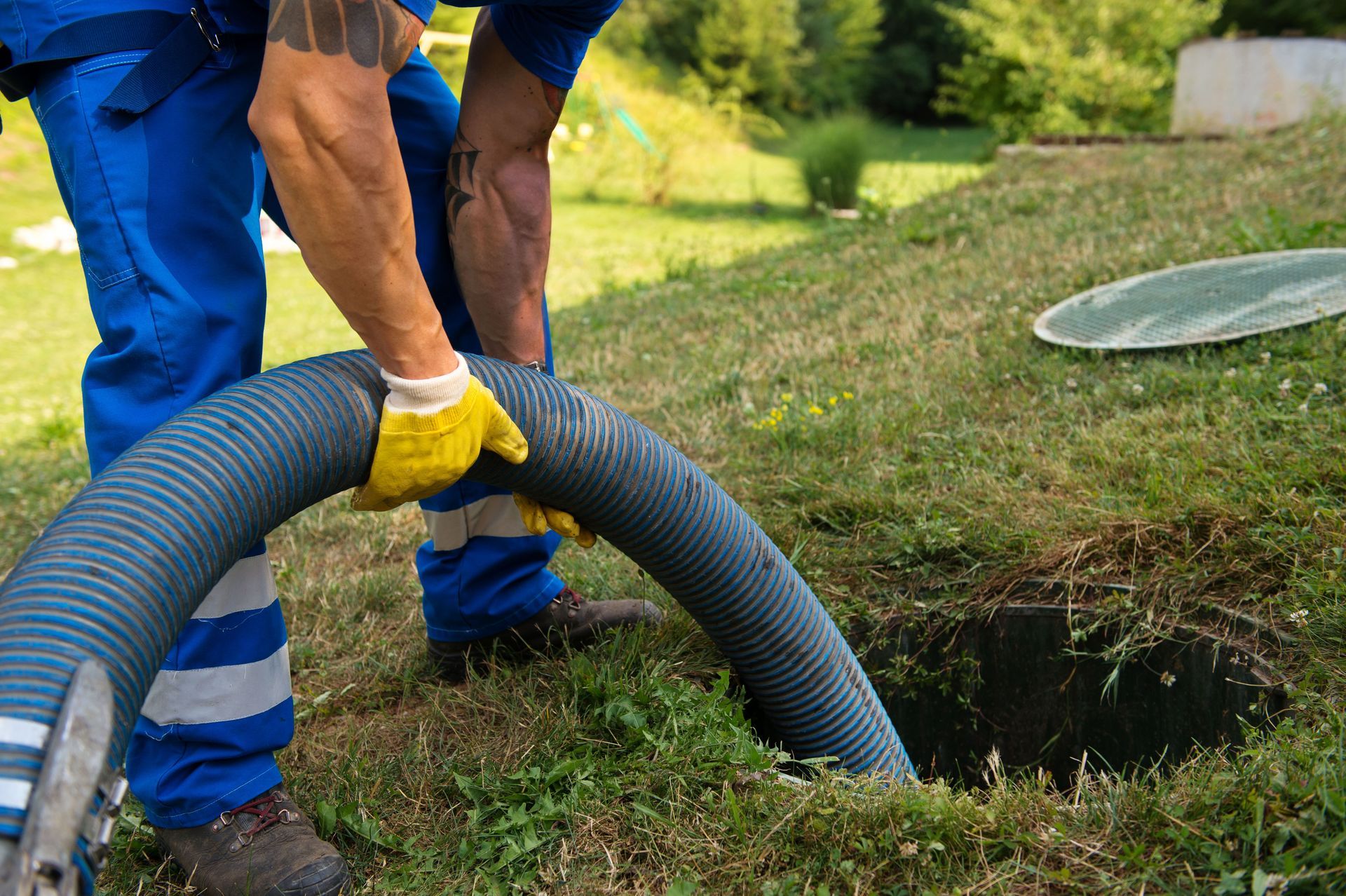
Even the most carefully planned local septic installation requires periodic pumping to remove accumulated solid waste. Over time, settled sludge reduces usable liquid capacity inside the tank, giving wastewater less time to separate. Regular pumping clears out this compacted matter, restoring full liquid volume and keeping the system healthy.
During a standard pumping appointment, a certified technician checks the structural condition of tank walls and verifies that lines are unobstructed. Identifying small concerns during a routine pumping visit allows for minor fixes before they turn into major plumbing headaches. Keeping a detailed log of service visits helps you maintain a steady upkeep schedule.
Installing a reliable wastewater system is one of the most critical property investments you will ever make. From determining the proper tank capacity to executing professional excavation and piping installation, experienced craftsmanship makes all the difference. Arranging a professional local septic installation ensures your household waste is handled safely and dependably.
When you are ready to install a new system, replace an existing tank, or schedule dependable maintenance, rely on the experienced crew at Collins Septic Tank Service Inc. Our team provides thorough site evaluations, professional tank setting, and comprehensive drainfield services. Contact us today to discuss your property needs and take the first step toward a dependable wastewater solution for your home.