April 24, 2026
Installing a septic system is a significant investment that requires careful planning and understanding. Whether you are building a new home or replacing an outdated system, knowing what to expect can help you avoid costly mistakes. A well-executed septic installation ensures reliable wastewater management and long-term performance.
Understanding How Septic Systems Work
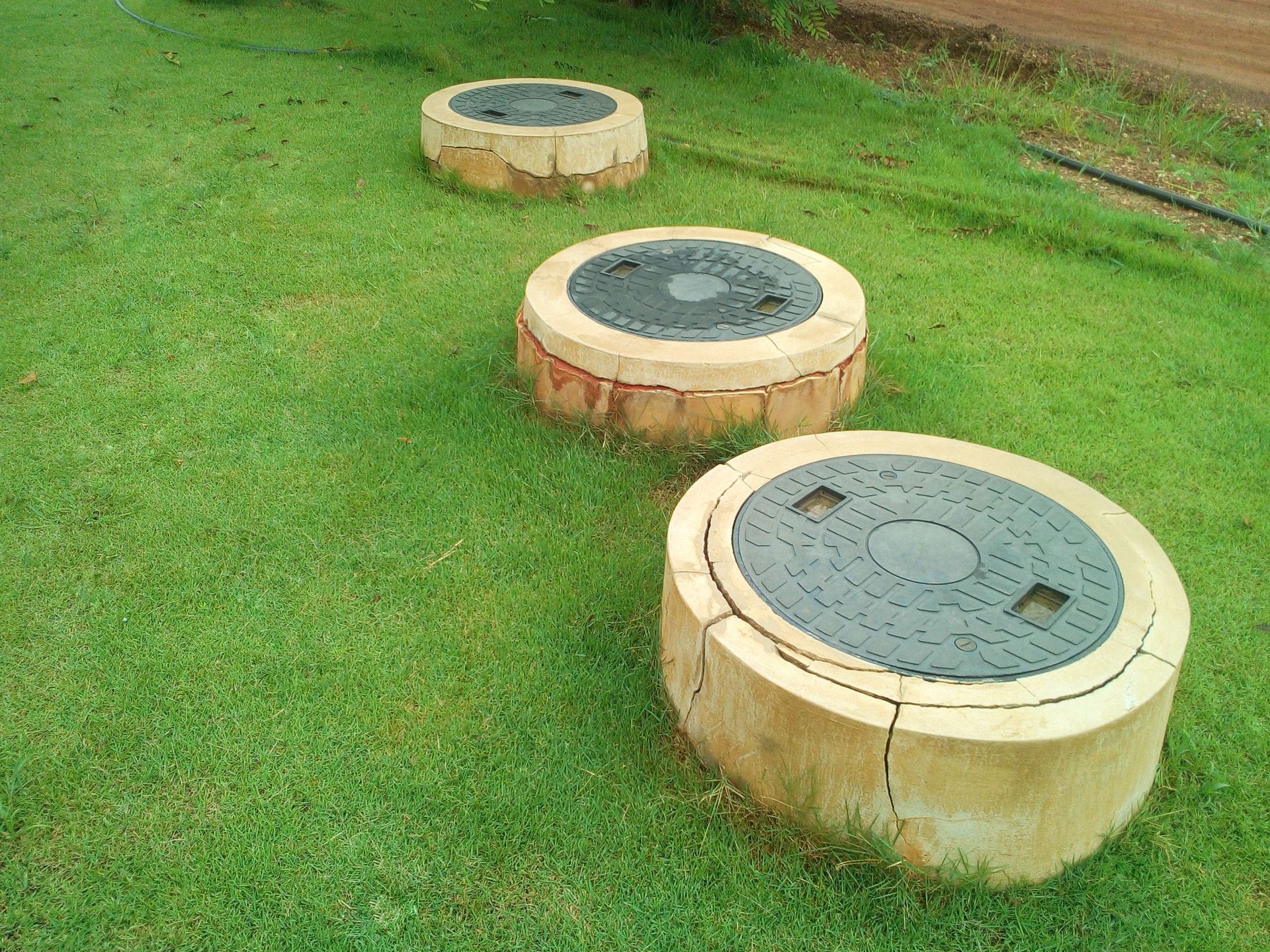
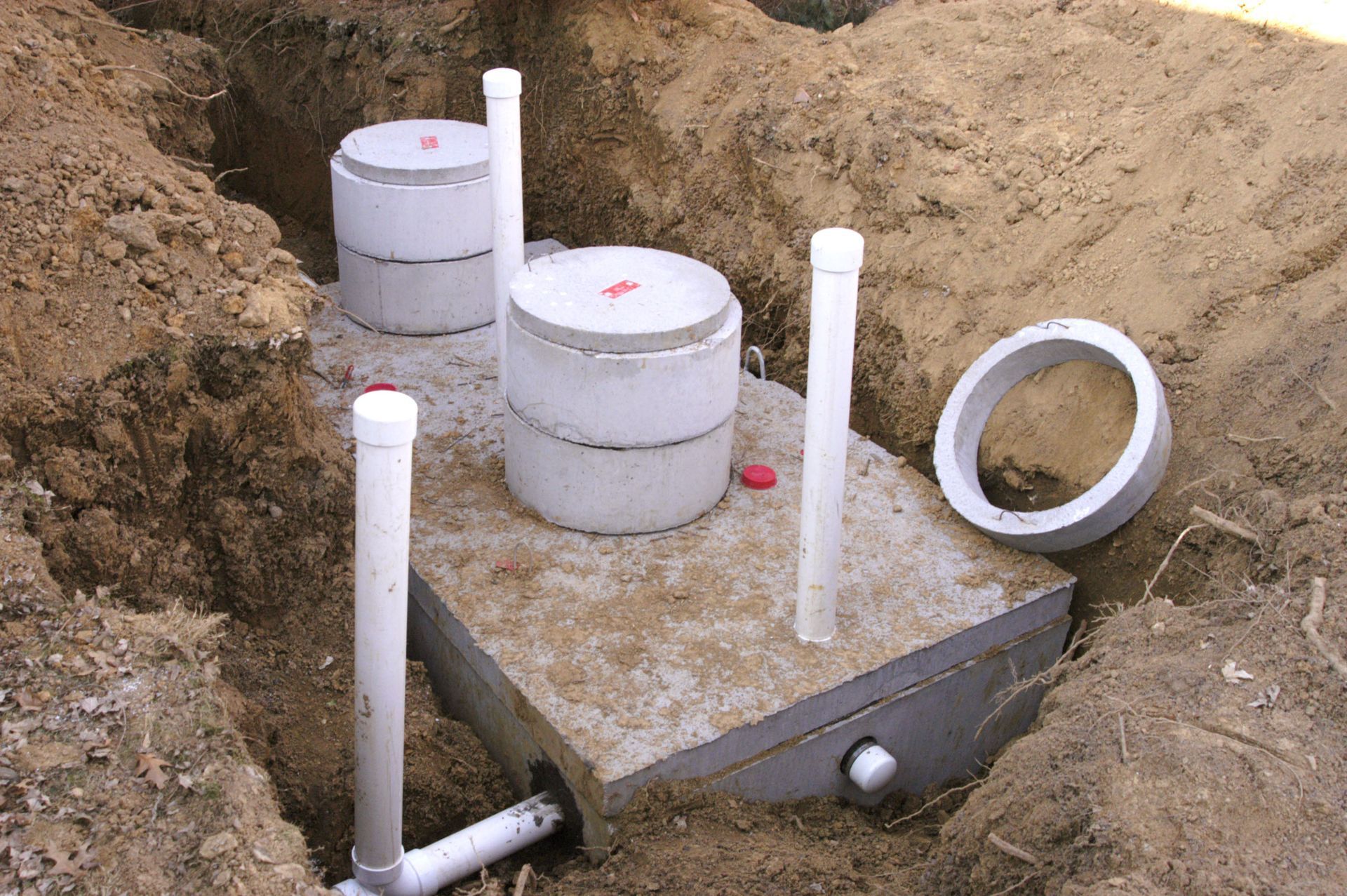
A septic system is an underground wastewater treatment structure commonly used in areas without centralized sewer systems. It typically consists of a septic tank and a drain field, both of which work together to process and disperse waste.
Wastewater flows from the home into the tank, where solids settle at the bottom and oils rise to the top. The remaining liquid, known as effluent, moves into the drain field, where it is naturally filtered through the soil. Understanding this process is essential before beginning a septic system installation, as it helps homeowners appreciate the importance of proper design and maintenance.
Evaluating Soil and Site Conditions Carefully
One of the most critical steps in septic installation is evaluating the property’s soil and site conditions. Soil type affects how well wastewater is absorbed and filtered, which directly impacts system performance.
A percolation test is typically conducted to determine the soil’s absorption rate. This test helps determine the appropriate size and type of system needed for the property.
Factors such as slope, water table level, and proximity to water sources must also be considered. Proper site evaluation ensures that the septic system operates efficiently and complies with local regulations.
Selecting the Right System Type Strategically
There are several types of septic systems available, each designed for specific conditions. Conventional systems are the most common, but alternatives such as aerobic systems or mound systems may be required for certain properties.
Choosing the right system depends on factors like soil quality, property size, and household water usage. An experienced professional can recommend the best option based on these considerations. Making the right choice during septic system installation helps prevent future issues and ensures long-term reliability.
Following Local Regulations and Permits Closely
Septic system installation is subject to strict local and state regulations. These rules are designed to protect public health and the environment by ensuring systems are installed and maintained properly.
Before installation begins, permits must be obtained and plans must be approved by the appropriate authorities. Inspections may also be required at various stages of the process. Working with knowledgeable professionals helps ensure compliance with all regulations, avoiding delays or potential penalties.
Planning System Size Based on Household Needs
The size of a septic system should match the needs of the household it serves. Factors such as the number of bedrooms, occupants, and daily water usage all play a role in determining the appropriate system capacity.
An undersized system may become overloaded, leading to backups and costly repairs. On the other hand, an oversized system may not function efficiently. Careful planning during septic installation ensures that the system can handle current and future demands without compromising performance.
Preparing the Site for Installation Properly
Before installation begins, the site must be properly prepared. This may involve clearing vegetation, leveling the ground, and ensuring access for equipment.
Proper preparation helps prevent complications during installation and ensures that the system is positioned correctly. It also reduces the risk of damage to surrounding areas. A well-prepared site sets the stage for a successful septic system installation and contributes to the system’s overall longevity.
Installing Components with Professional Expertise
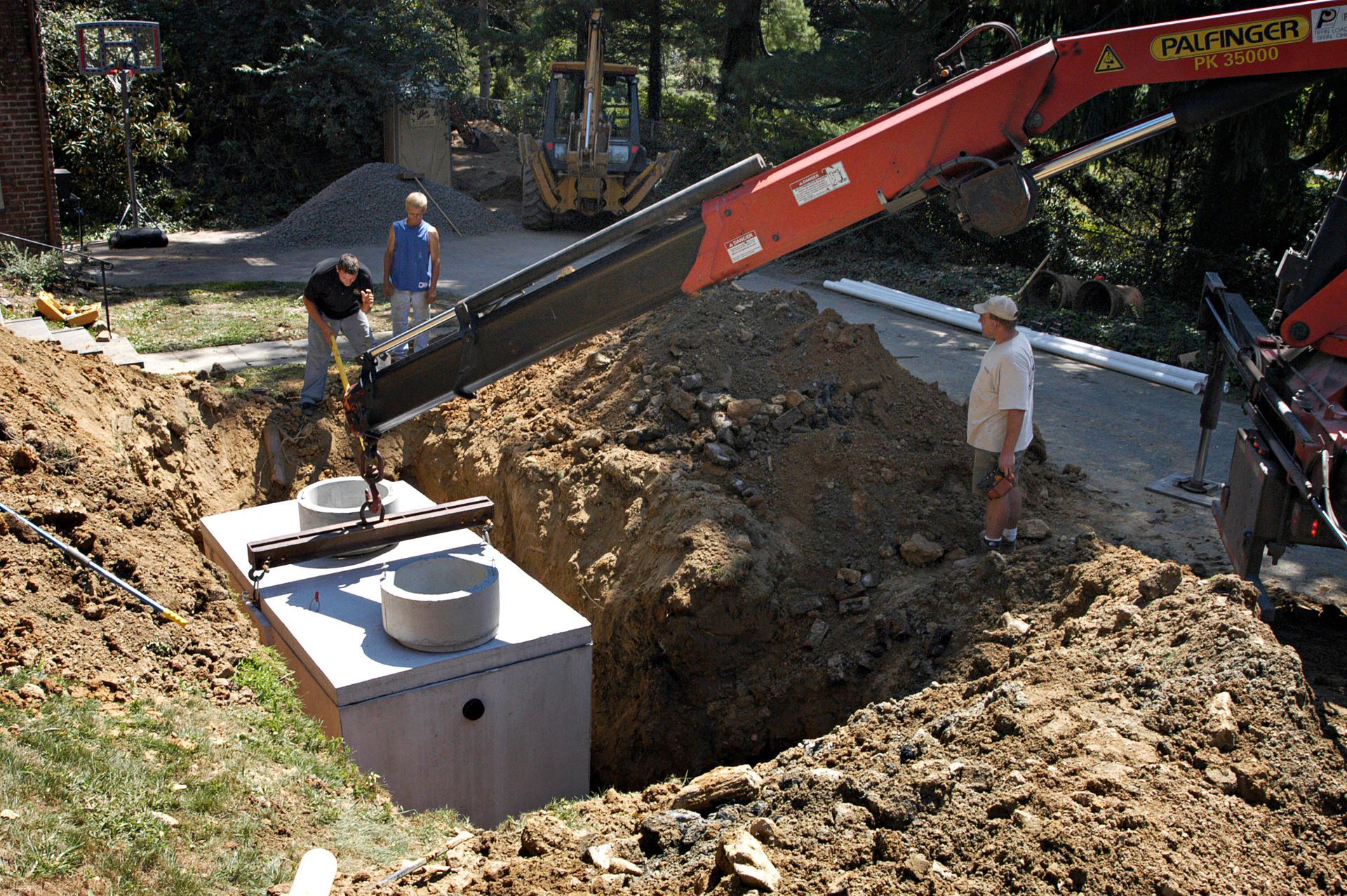
Septic system installation involves placing the tank, connecting pipes, and constructing the drain field. Each step must be completed with precision to ensure proper function.
Professional installers use specialized equipment and follow industry best practices in order to achieve accurate placement and secure connections. Even small errors can lead to significant problems over time. Hiring experienced professionals for septic system installation helps ensure that the system is installed correctly and performs as expected.
Maintaining Your System After Installation
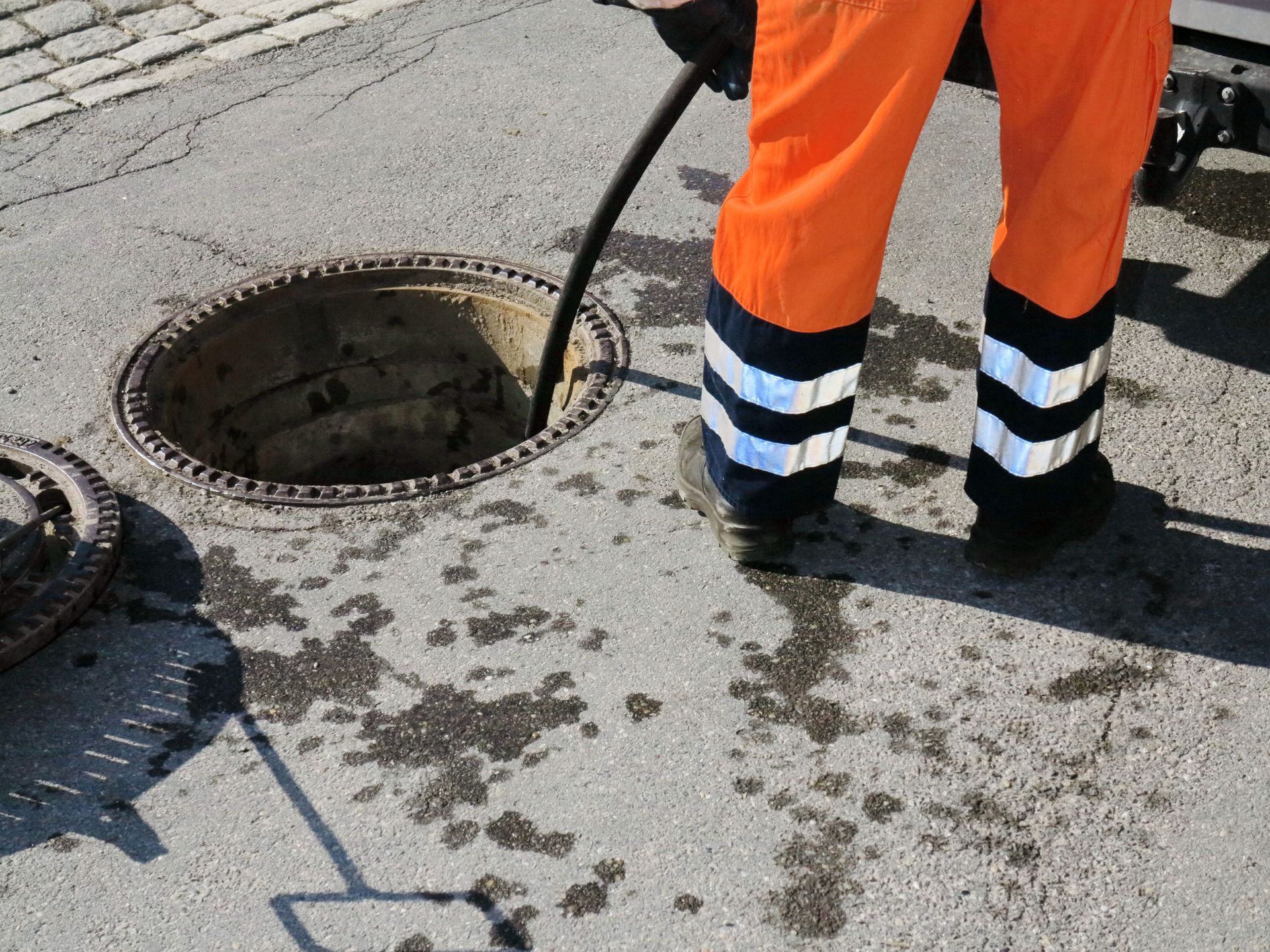
Proper maintenance is essential for keeping a septic system functioning efficiently. Regular inspections and routine care help prevent issues and extend the system’s lifespan.
According to the EPA, septic tanks should be pumped every 3-5 years. This removes solids that have accumulated and prevents them from entering the drain field.
In addition to pumping, homeowners should monitor water usage and avoid flushing non-biodegradable items. Ongoing care is a critical part of maintaining a successful septic installation.
Preventing Common Issues with Smart Practices
Many septic system problems can be avoided through simple habits. Conserving water, fixing leaks promptly, and using septic-safe products all contribute to system health.
Avoiding heavy equipment or construction over the drain field is also important, as it can damage the system and disrupt wastewater flow. Being proactive about maintenance and usage helps protect your septic system installation from unnecessary wear and costly repairs.
Recognizing Warning Signs Early and Clearly
Identifying potential issues early can prevent major problems. Warning signs may include slow drains, unpleasant odors, pooling water, or unusually lush grass over the drain field.
If any of these signs appear, it is important to contact a professional promptly. Early intervention can often resolve issues before they escalate. Understanding these warning signs is essential for protecting your septic system installation and maintaining a healthy system.
Understanding Costs and Budget Considerations
The cost of septic installation can vary depending on factors such as system type, property size, and site conditions. Additional expenses may include permits, inspections, and site preparation.
While the initial investment may be significant, a properly installed system can provide reliable service for many years. Planning your budget carefully helps ensure that all aspects of the project are covered. Investing in quality septic system installation reduces the likelihood of future repairs and associated costs.
Considering Long-Term Property Value Benefits
A well-installed septic system can enhance the value of a property. Potential buyers often view a properly maintained system as a positive feature, especially in areas without municipal sewer access. Documentation of installation and maintenance can further increase buyer confidence. This demonstrates that the system has been cared for and is in good working condition.
Septic system installation is not just a functional necessity; it is also an investment in the overall value of your property. A reliable system can make a home more attractive during inspections and reduce concerns about future repair costs. Buyers are often willing to pay more for properties with dependable infrastructure already in place. Additionally, a properly installed and maintained system can help avoid delays during the closing process, making transactions smoother and more appealing to potential purchasers.
Working with Qualified Professionals Throughout
Choosing the right professionals is one of the most important decisions in the installation process. Experienced contractors understand local regulations, soil conditions, and best practices.
They can guide you through each step, from planning and permitting to installation and maintenance. Their expertise helps ensure a smooth and successful project. Partnering with qualified professionals for septic system installation provides peace of mind and helps protect your investment.
Understanding the key aspects of septic installation can make the process more manageable and less stressful. From planning and permitting to maintenance and long-term care, each step plays a vital role in system performance. With the right knowledge and professional support, you can ensure a reliable and efficient septic system for years to come. If you are looking for reliable septic service professionals, contact Collins Septic Tank Service Inc today to learn more and get started!