August 25, 2026
For homeowners with septic systems, routine maintenance can be easy to overlook because much of the system operates underground and out of sight. However, ignoring maintenance can allow sludge and scum to accumulate, eventually affecting the tank, pipes, and drainfield. Scheduling septic pumping services on a regular basis gives homeowners an opportunity to remove accumulated solids before they contribute to larger problems.
Although pumping represents a recurring household expense, it is generally far less expensive than addressing a failed septic system. Understanding what pumping involves, how frequently it should be performed, and how to choose a qualified provider can help homeowners protect their property and avoid unexpected repair bills.
What Are Septic Pumping Services?
Septic pumping services involve removing accumulated sludge, scum, and wastewater solids from a septic tank. Over time, heavier materials settle at the bottom of the tank while fats, oils, and grease can form a floating layer near the top. The tank is designed to separate these materials from liquid wastewater, but solids cannot remain there indefinitely.
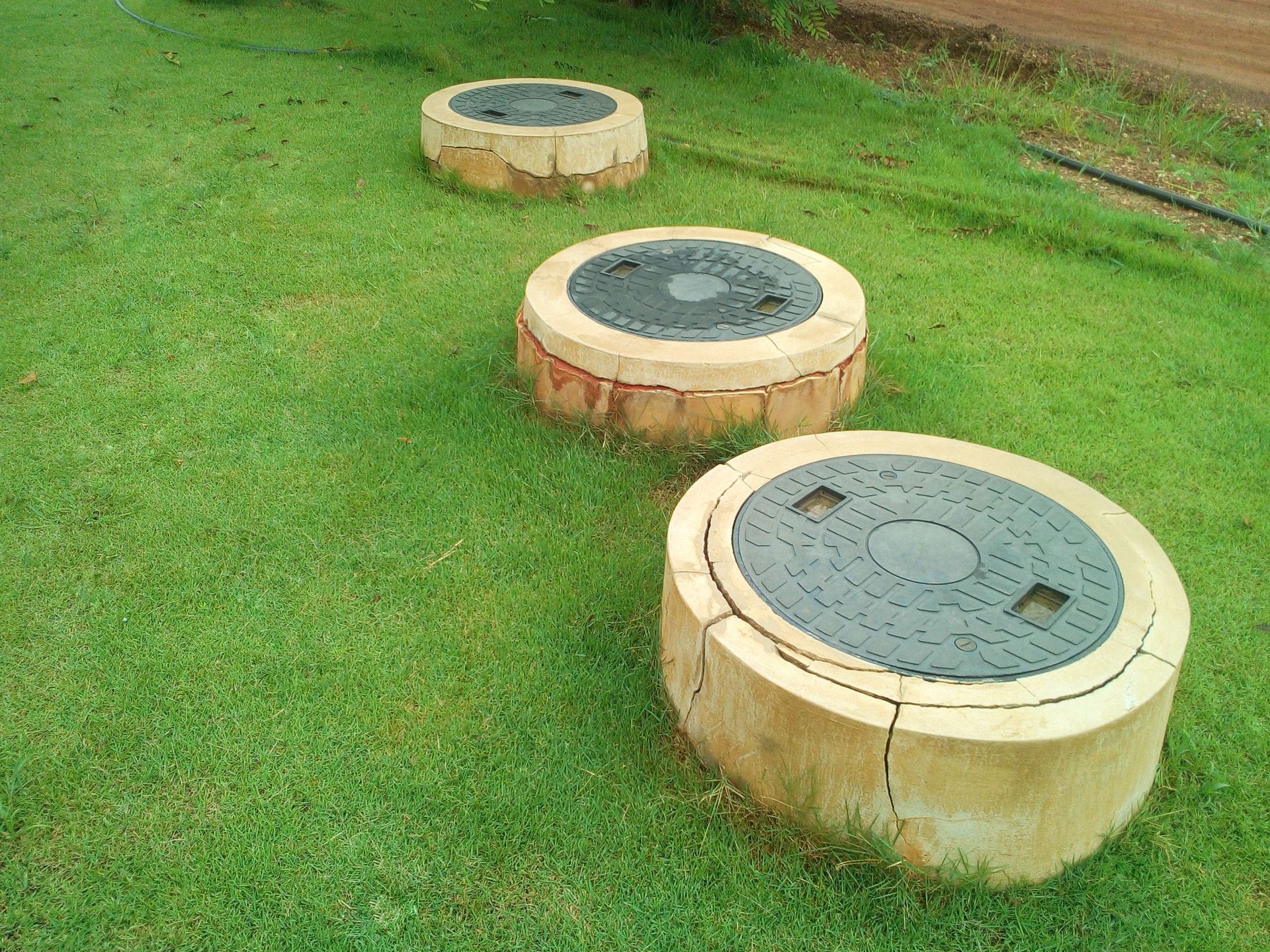
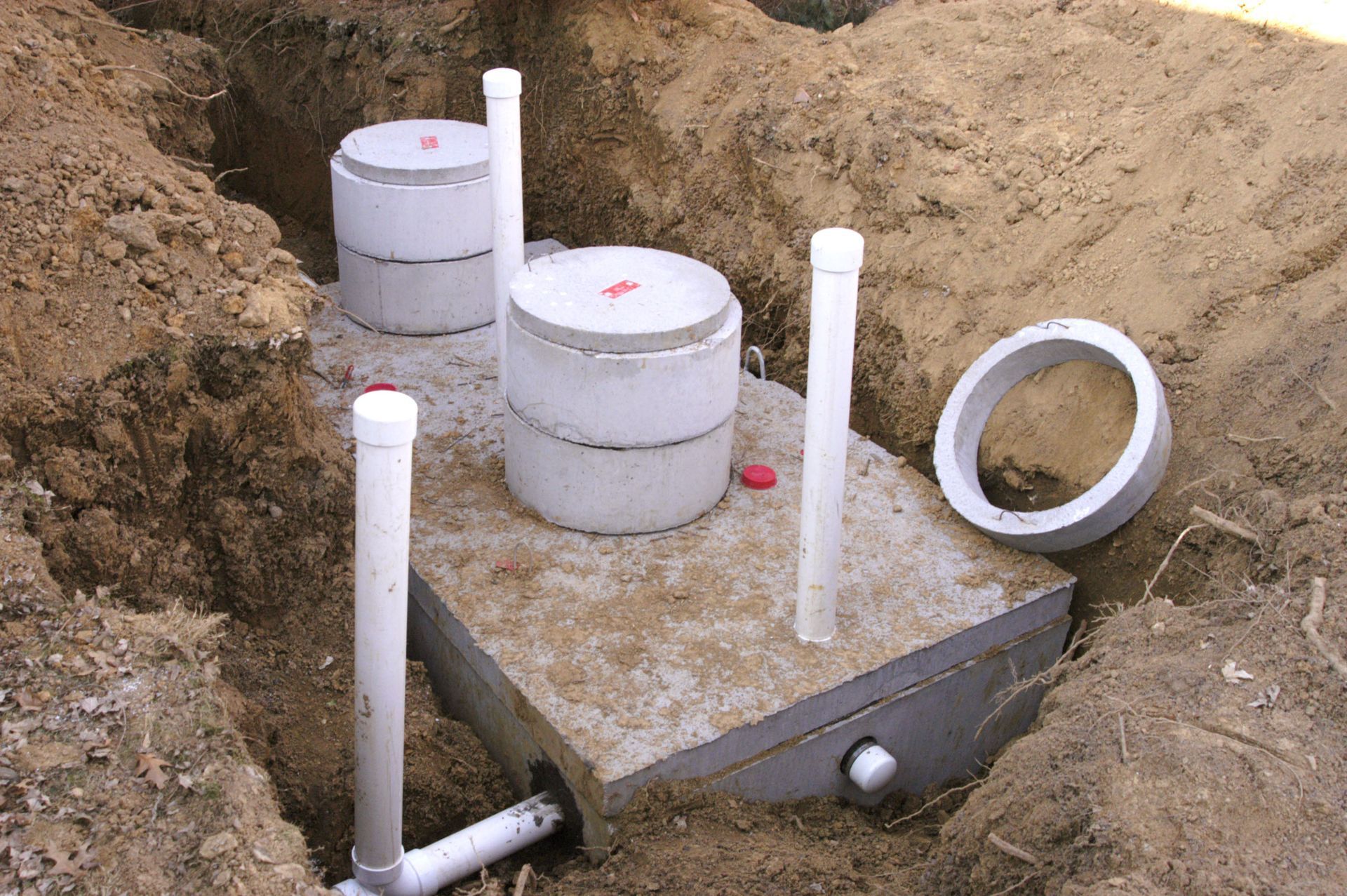
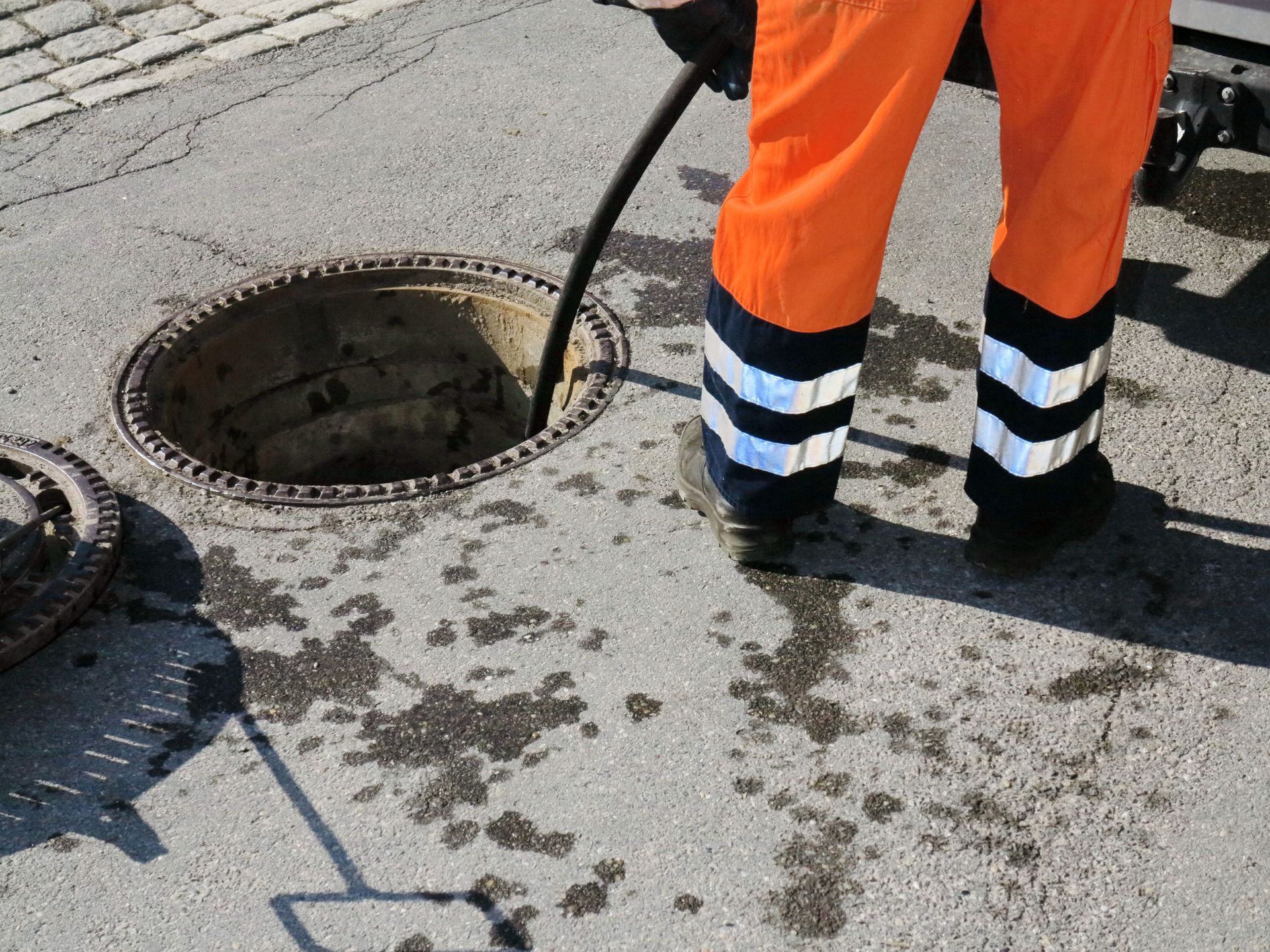
During a pumping appointment, a professional typically locates the tank, accesses it through its lid or riser, and uses specialized equipment to remove the accumulated material. The service may also provide an opportunity to inspect the tank and identify potential concerns, such as leaks, damaged components, or unusually high sludge levels.
Regular septic pumping services are not intended to replace other forms of maintenance. Homeowners should also pay attention to water usage, protect the drainfield from excessive traffic, and avoid flushing materials that can interfere with the system.
How Often Should You Schedule Septic Pumping?
There is no single schedule that applies to every septic system. Household size, tank capacity, wastewater production, water-use habits, and the amount of solids entering the tank can all affect how quickly pumping becomes necessary.
According to the U.S. Environmental Protection Agency, homeowners should generally have their septic systems inspected every one to three years and have tanks pumped about every three to five years, although individual systems may require a different schedule. Alternative systems containing pumps, electrical controls, or other mechanical components may require more frequent inspections and maintenance.
A professional can evaluate the condition of the tank and its sludge and scum levels to help determine when pumping is appropriate. Keeping records of previous septic pumping services can also make it easier to establish a maintenance schedule.
Homeowners should not necessarily wait until three or five years have passed if warning signs develop. Slow drains, sewage odors, unusually lush or wet areas around the drainfield, gurgling plumbing, or wastewater backing up into the home can indicate a potential problem that warrants prompt attention.
What Happens If You Don't Pump Your Septic Tank?
Failing to pump a septic tank allows solids to continue accumulating. Eventually, the available capacity inside the tank can become reduced, making it more difficult for the system to properly separate solids from wastewater.
One of the biggest concerns is that excessive solids can move beyond the tank and enter the drainfield. According to the EPA, inadequate maintenance can allow solids to migrate into the drainfield and clog the system. Once the drainfield becomes compromised, the resulting problem may involve much more than simply pumping the tank.
A failing drainfield can produce standing water, unpleasant odors, slow drainage, or wastewater surfacing in the yard. In more serious situations, sewage can back up into the home's plumbing. These problems can create sanitation concerns while potentially requiring extensive repairs.
Waiting until a backup occurs can also make the situation more expensive. Emergency service may be necessary, and a damaged drainfield or other failed component may require excavation and substantial corrective work. Regular septic pumping services can help reduce the likelihood that accumulated solids will reach this point.
How Do Septic Pumping Services Save Money in the Long Run?
The main financial benefit of septic pumping is prevention. Paying for maintenance before a problem develops may seem unnecessary when everything appears to be working normally, but septic failures can carry much larger costs.
According to the EPA, spending roughly $250 to $500 on regular septic maintenance every three to five years is a relatively small expense compared with repairing or replacing a malfunctioning conventional septic system, which can cost approximately $5,000 to $15,000.
Those potential costs make routine septic pumping services an important part of responsible home maintenance. Pumping can help control the buildup of solids and reduce the risk of materials reaching the drainfield. It can also give professionals an opportunity to identify developing issues before they become emergencies.
There are additional financial considerations beyond direct repair costs. A malfunctioning septic system can affect a home's condition and potentially reduce its value. The EPA notes that a septic system in disrepair can lower property value and may create other costly liabilities.
Homeowners can further protect their investment by using water efficiently and being careful about what enters the plumbing. Excessive water use can place additional stress on the system, while items such as grease, household chemicals, and non-flushable products can interfere with normal operation. Combining these habits with regular septic pumping services provides a more complete approach to maintenance.
How Can You Choose a Reliable Septic Pumping Service Provider?
Choosing the right provider is important because pumping is only one part of maintaining a septic system. Homeowners should look for a company with experience servicing septic tanks and familiarity with local requirements.
Before scheduling septic pumping services, ask what the appointment includes. A provider should be able to explain the pumping process, identify the tank's location and access requirements, and discuss whether an inspection is included. It is also helpful to request a clear estimate so there are no surprises about additional charges.
Homeowners should also consider whether the provider maintains appropriate records of the work performed. Documentation can be useful when planning future maintenance and may be particularly valuable when selling a property.
If a company identifies a potential repair during the appointment, homeowners should ask for an explanation of the problem and a written estimate before authorizing significant work. A professional approach should focus on providing useful information rather than pressuring the homeowner into unnecessary services.
Finally, homeowners should follow any local regulations governing septic maintenance, pumping, waste disposal, and inspections. Requirements can vary depending on the location and type of system.
Septic systems are designed to provide reliable wastewater treatment, but they require routine attention to continue working properly. Allowing sludge and scum to accumulate can eventually affect the tank and drainfield, turning a manageable maintenance task into a costly repair.
Regular
septic pumping services provide a practical way to remove accumulated solids and monitor the condition of the system. When combined with responsible water use, proper waste disposal, drainfield protection, and periodic inspections, pumping can help extend the useful life of a septic system.
For homeowners, the relatively modest cost of routine maintenance can be a worthwhile investment compared with the thousands of dollars that may be required to repair or replace a failed system. Scheduling septic pumping services before problems develop can help protect both the household budget and the long-term condition of the property. If you're looking for a reliable septic pumping service provider, reach out to the dedicated team at Collins Septic Tank Service Inc today!